The most expensive mistake in real estate development is committing capital to a project that was never feasible to begin with.
Too often, developers fall in love with a site or a vision before running the numbers, understanding the entitlement path, or stress-testing the market assumptions. By the time they realize the project doesn't pencil, they've already invested time, money, and credibility.
This is why feasibility analysis matters—and why it should always come first.
What Is Feasibility Analysis?
Feasibility analysis is the process of evaluating whether a development project can realistically achieve its financial and operational goals. It's not just about whether a project is technically possible—it's about whether it's worth doing.
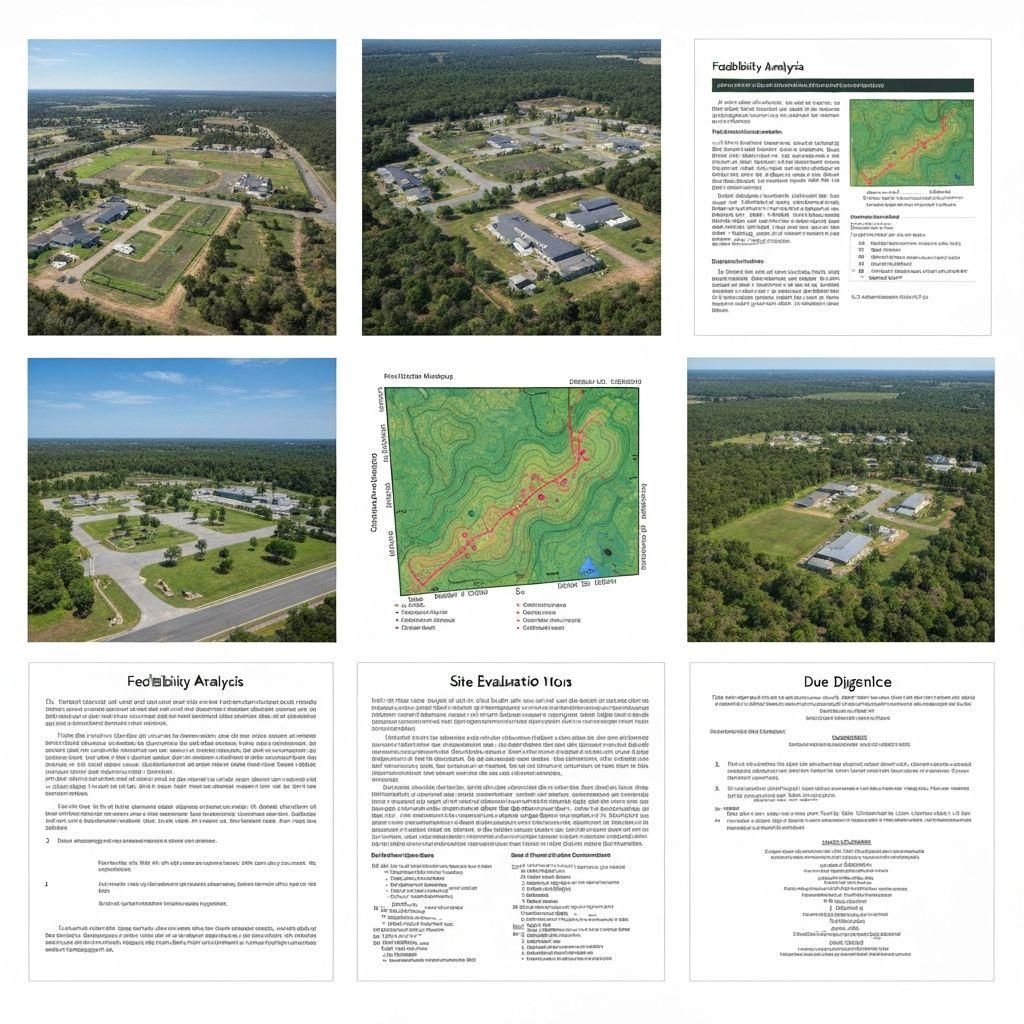
A comprehensive feasibility study includes:
- Market Analysis: Understanding demand, competition, and pricing dynamics
- Site Evaluation: Assessing physical constraints, utilities, access, and environmental factors
- Entitlement Assessment: Determining the path to zoning and municipal approvals
- Financial Modeling: Projecting costs, revenues, and returns under various scenarios
- Risk Identification: Mapping out potential obstacles and mitigation strategies
Common Feasibility Oversights
Underestimating Soft Costs
Many developers focus on hard construction costs but underestimate the impact of permits, fees, engineering, legal expenses, and financing costs. These "soft costs" can easily add 20-30% to a project budget.
Ignoring Market Timing
A project that makes sense today might not make sense in 18 months when it's ready to deliver. Understanding absorption rates, market cycles, and competitive supply is critical.
Overlooking Infrastructure Gaps
Does the site have adequate water, sewer, and road access? If not, who pays for the improvements? These infrastructure costs can be deal-breakers if not identified early.
Assuming Entitlement Certainty
Just because a site is zoned for a certain use doesn't mean approval is guaranteed. Community opposition, environmental concerns, and political factors can all impact the entitlement timeline and outcome.
How Halvey Inc. Approaches Feasibility
At Halvey Inc., we believe in rigorous, clear-eyed feasibility analysis. We don't sugarcoat numbers or gloss over risks. Instead, we provide owners with the unvarnished truth about what a project will require—financially, politically, and operationally.
Our feasibility process is collaborative, transparent, and designed to surface issues early—when they're easiest and least expensive to address. Because the best way to avoid a failed project is to know when to walk away before you're too deep.
About Erik S. Halverson
Founder of Halvey Inc., Erik brings over 20 years of experience in real estate development, entitlement strategy, and owner's representation across Colorado and the Mountain West. His approach combines strategic thinking, operational discipline, and a commitment to protecting owner interests throughout the development lifecycle.
Learn More About Erik